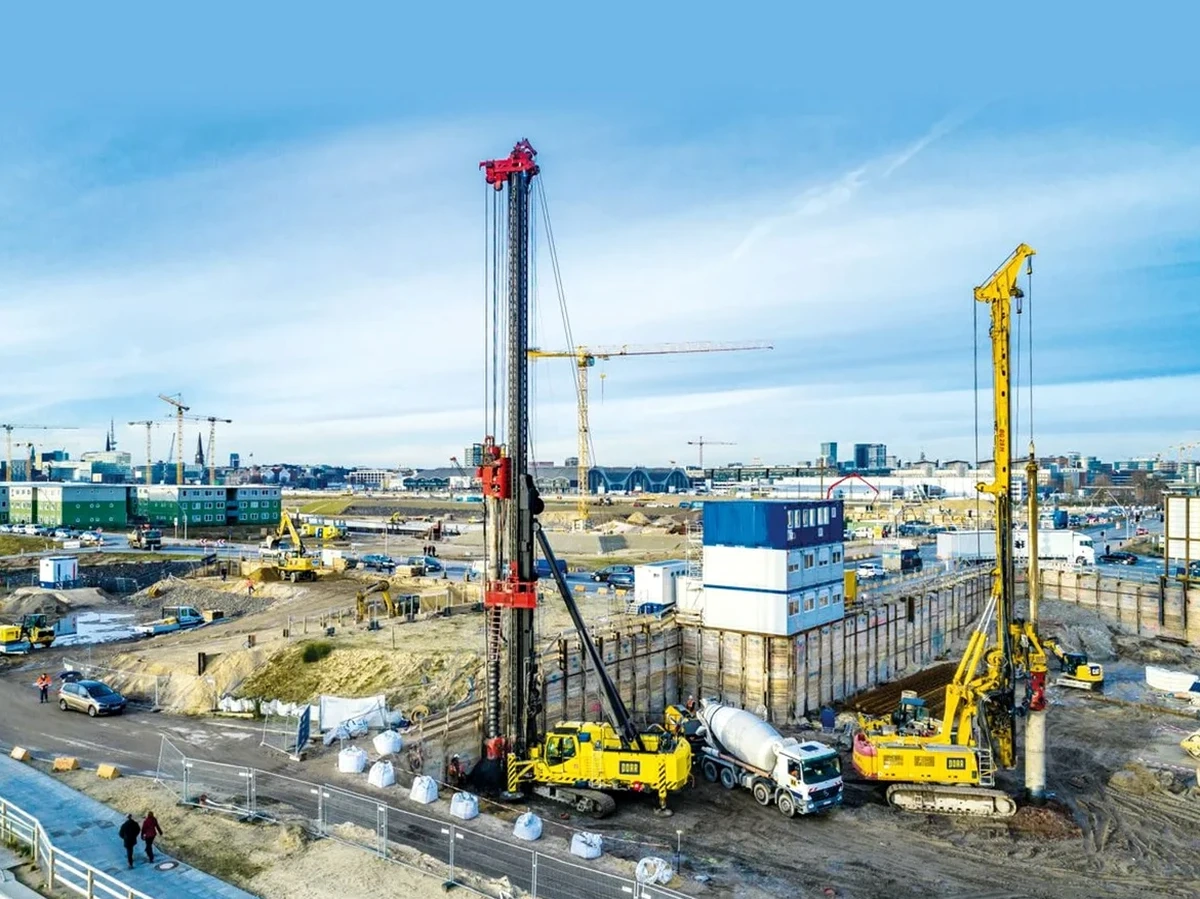
What you notice first in Repentigny is the water. The St. Lawrence and L'Assomption rivers define the geography, but they also define what’s underfoot: thick, sensitive Champlain Sea clay that can lose strength if you look at it wrong. We see a lot of projects where the initial geotech report calls for shallow footings, then the excavation hits butter-soft silt at three metres and suddenly everyone’s scrambling. That’s where deep foundations stop being an option and start being the only sensible path. On the north shore, the clay can run 25 to 40 metres deep before you hit competent till or bedrock, so stone columns alone rarely cut it for anything heavier than a low-rise. Driving piles through that profile means accounting for downdrag, lateral squeeze, and freeze–thaw cycles that reach 1.4 metres depth per the local frost protection code. When we sit down with the structural team, the first thing we map isn’t the column grid — it’s the preconsolidation pressure profile from the oedometer tests, because that tells you whether the pile will shed load or drag it down.
In Repentigny’s Champlain clay, pile capacity isn’t about how hard you hit — it’s about what happens during the first thaw after construction.