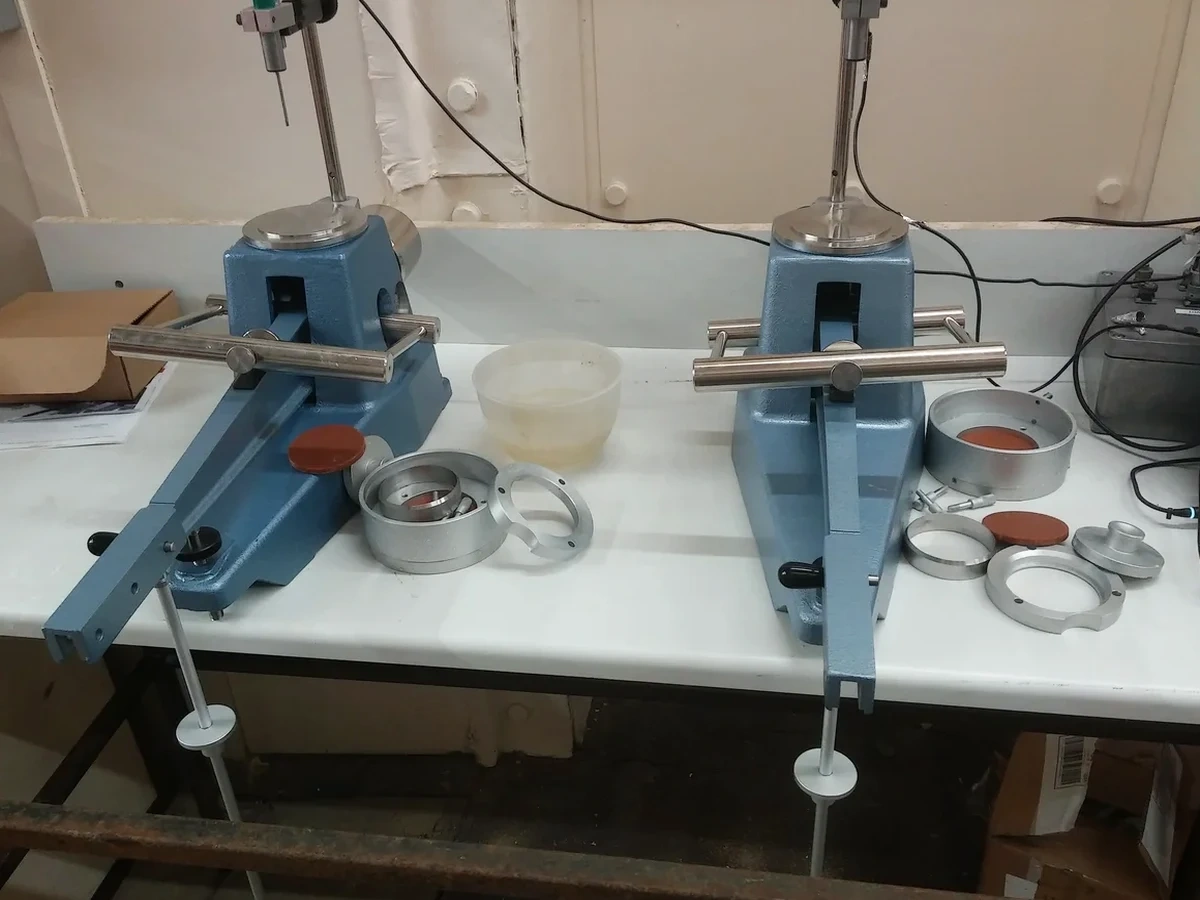
The National Building Code of Canada (NBCC) makes geotechnical investigation mandatory for construction, but in Repentigny, the true value of Atterberg limits testing lies in understanding how the local Lanaudière clays behave when moisture fluctuates. With the Assomption River shaping the landscape and the city sitting on post-glacial marine deposits, soil consistency can shift dramatically between summer drought and spring thaw. We run these tests under ASTM D4318 to establish the liquid limit, plastic limit, and plasticity index of fine-grained materials extracted from site. This data feeds directly into foundation settlement calculations and frost heave assessments, both critical for the region. When we correlate these results with a grain-size analysis, we build a complete picture of the soil’s drainage potential and its susceptibility to volume change over time.
A plasticity index above 20 in Repentigny glacial clays almost always signals high frost susceptibility—something we flag before winter construction begins.