A truck-mounted hollow-stem auger rig arrives on site in Repentigny and starts turning into the Champlain Sea clay. That rig is gathering the exact stratigraphy needed to size a footing. Without that data, any shallow foundation design here is just a guess. The drillers log the crust thickness, the depth to competent till, and the groundwater table, all before the structural engineer sketches the first reinforcement detail. We combine that fieldwork with laboratory consolidation tests to calibrate settlement predictions. For sites near the L'Assomption River, we often pair this with a CPT test to capture continuous tip resistance and pore pressure profiles, giving us a second independent check on the undrained shear strength before finalizing the bearing capacity.
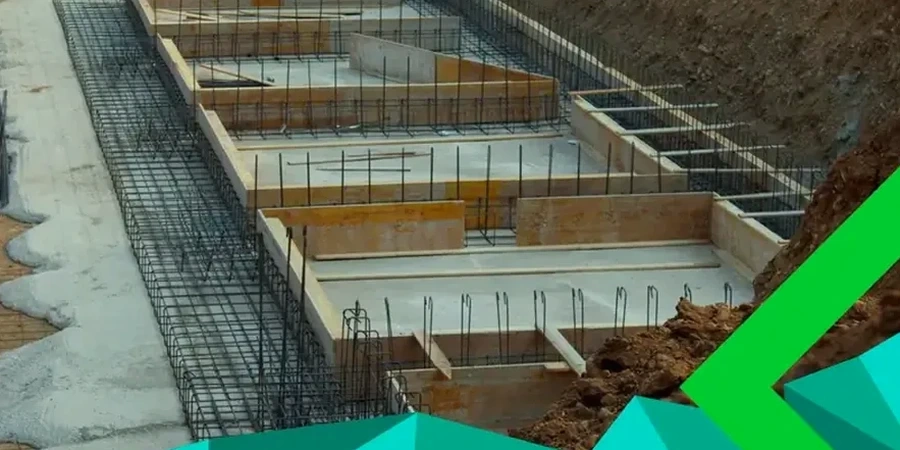
A shallow foundation on Champlain Sea clay fails not from bearing capacity alone, but from settlement differentials that crack the superstructure.