GEOTECHNICAL ENGINEERING
REPENTIGNY
HomeRoadwayFlexible pavement design

Flexible Pavement Design in Repentigny: Asphalt Layers That Handle Freeze-Thaw

Technical studies that support your project.

LEARN MORE

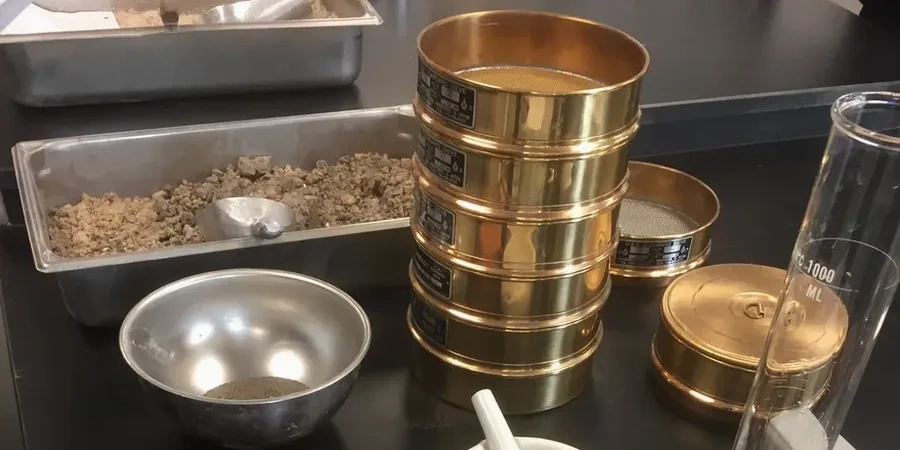
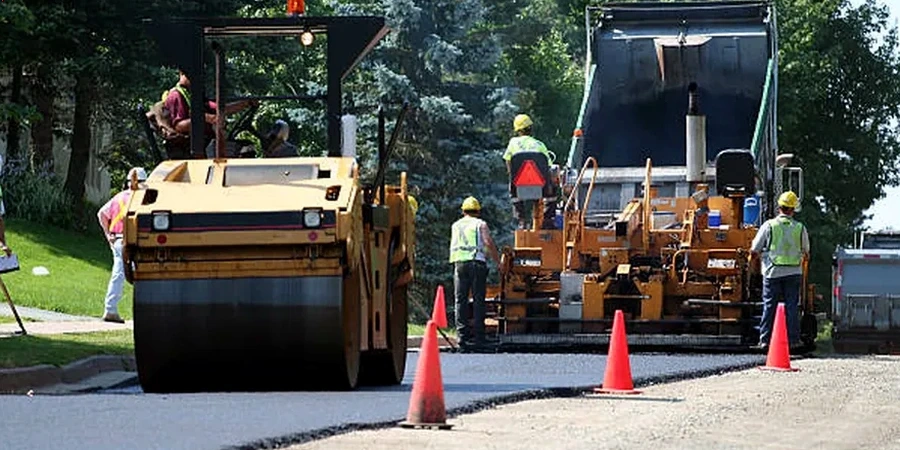
A vibratory roller compactor moves across the hot asphalt mat on Rue Notre-Dame, its drum pressing aggregate into a dense, interlocking skeleton. That compaction pattern is the last physical step in a flexible pavement design sequence that starts months earlier in a materials lab. In Repentigny, where the Assomption River shapes local geography and winter temperatures drop below -20°C, the pavement structure must absorb traffic flexural strain without cracking during frost heave cycles. We calculate layer coefficients for asphalt concrete, granular base, and subbase using soil parameters extracted from borings across the MRC de L'Assomption. The goal is straightforward: enough structural number to carry projected ESALs over a 20-year design life, without overbuilding. Our team handles the full pavement thickness design package, from subgrade resilient modulus testing to final asphalt mix verification. The process ties directly into site investigation data — before we specify any lift thickness, we confirm what's underneath with test pits that expose the clay-silt transition common in Repentigny's low-lying sectors.

A pavement section is only as strong as its weakest spring thaw. We design for the March melt, not just the September traffic count.
Our service areas

Our approach and scope

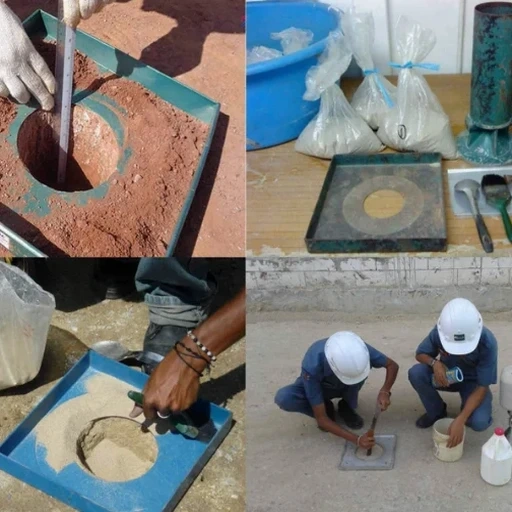
The subgrade beneath a parking lot off Boulevard Brien behaves nothing like the granular till near Parc de l'Île-Lebel. Brien sits on marine clay deposited by the Champlain Sea; drainage is slow and frost susceptibility is high. Île-Lebel's river terrace has better-draining sand and gravel, which cuts base course requirements noticeably. This contrast is why we never apply a generic pavement section across Repentigny jobs. For clay-rich profiles we specify thicker granular subbase layers — sometimes 450 mm or more — to interrupt capillary rise and provide a working platform during construction. The structural asphalt thickness depends on the California Bearing Ratio of the prepared subgrade, and we run CBR testing in road projects to get that number directly rather than estimating from grain size charts. A typical municipal street section here ends up with 100 to 140 mm of hot mix asphalt in two lifts over 300 mm of MG-20 granular base. Highway ramps and industrial yards push asphalt thickness past 180 mm. Every design accounts for the local frost penetration depth, which CSA guidelines set near 1.8 meters for the Repentigny area.
Flexible Pavement Design in Repentigny: Asphalt Layers That Handle Freeze-Thaw
Technical reference — Repentigny

Local geotechnical context

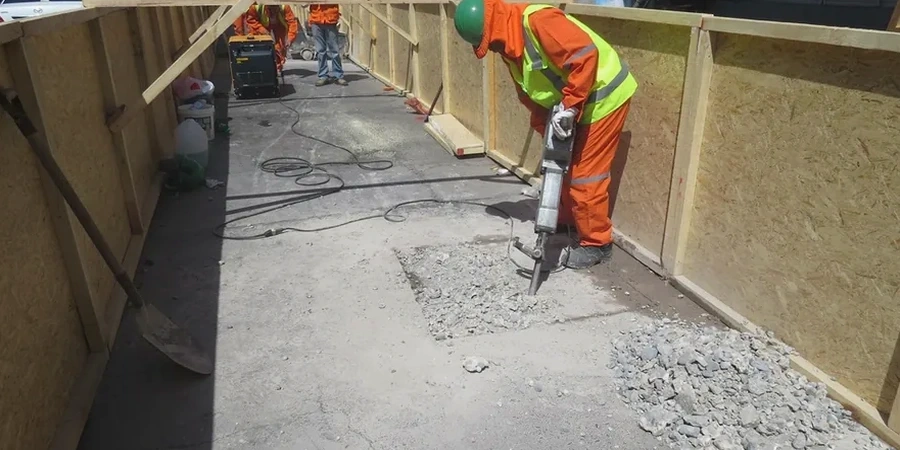
In Repentigny, we often see driveway and parking lot failures that trace back to one specific oversight: the contractor placed good asphalt on an unprepared subgrade in late October, and by February the frost lenses had already lifted and cracked the surface in a classic alligator pattern. The damage accelerates during the spring thaw when trapped meltwater saturates the base and reduces its modulus to near zero. A pavement designed without accounting for this seasonal strength loss will rut within three to five years. The repair cost far exceeds the initial design investment. Another problem pattern occurs where clay subgrades were not proof-rolled before gravel placement — soft spots go undetected and later create differential settlement troughs that pond water and accelerate stripping in the asphalt binder course. Our design reports include a construction-phase inspection protocol specifically to catch these conditions before the first lift goes down.

Need a geotechnical assessment?

Reply within 24h.

Email: info@geotechnical-engineering.org

Relevant standards

CSA A23.1 Concrete materials and methods (referenced for stabilized base comparisons), MTQ Tome VII – Matériaux et fondations de chaussées, ASTM D1557 Standard Test Methods for Laboratory Compaction Characteristics (Modified Proctor), ASTM D1883 Standard Test Method for CBR of Laboratory-Compacted Soils

Technical data

ParameterTypical value
Design period20 years (municipal), 25 years (arterial)
Frost penetration depth (Repentigny)1.6 to 1.8 m per CSA
Asphalt layer thickness range100 to 180 mm (2-3 lifts)
Granular base typical thickness300 to 450 mm MG-20
Target subgrade CBR≥6% after compaction
Mix typeESG-10 or ESG-14 per MTQ specs
Traffic loadingESALs calculated from AADT projections

Questions and answers

What does flexible pavement design cost for a typical Repentigny commercial parking lot?

For a standard commercial lot requiring subgrade investigation, traffic analysis, and pavement thickness design, costs range from CA$2,440 to CA$7,600 depending on lot size, number of borings, and whether asphalt mix verification testing is included.

How does the frost depth in Repentigny affect the pavement section?

Frost penetrates up to 1.8 meters here, which means the combined asphalt, base, and subbase thickness must be sufficient to prevent frost from reaching frost-susceptible subgrade. We typically specify a total pavement structure depth that keeps the freezing plane within non-frost-susceptible granular layers.

What is the difference between ESG-10 and ESG-14 asphalt mixes?

The number refers to the nominal maximum aggregate size in millimeters. ESG-10 has finer aggregate and is used for surface courses where smoothness and water resistance are priorities. ESG-14 is coarser, better suited for binder courses and higher-traffic applications where rut resistance matters more.

When should site investigation borings happen before pavement design?

Borings should be completed during the preliminary engineering phase, ideally in spring or fall when soil moisture reflects worst-case conditions. Testing during a dry July can give misleadingly high CBR values that don't represent the subgrade's performance during the critical thaw period.

Location and service area

We serve projects in Repentigny and surrounding areas.

View larger map